We may earn a commission for purchases using our links. Learn more.
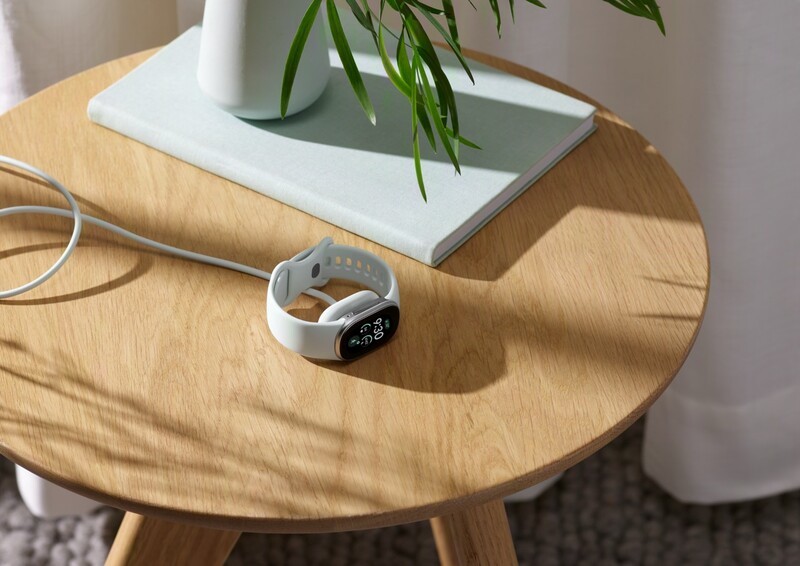
⚡TL;DR - The Short Version
- The Big Win: Outstanding 7-day battery life on a single charge (with 5-minute quick charging delivering a full day of juice).
- Design & Display: 46% more display area than Charge 6 with a vibrant hybrid OLED and a satisfying tactile physical side button.
- AI Health Coach: Google Health Coach translates confusing workout and nutrition metrics into straightforward daily guidance.
- Sleep Comfort: Solid sleep tracking accuracy, though it can't quite dethrone the screenless Fitbit Air for pure bedtime comfort.
- The Upgrade Verdict: A fantastic compact wearable for anyone who wants a classic, glanceable fitness band without full smartwatch bulk.
If you haven't touched a fitness band in a couple of years, the wearable landscape looks wildly different today. Between full-blown smartwatches like the Pixel Watch 5 and screen-free minimalist bands, finding that sweet spot of glanceable utility without notification fatigue can be tricky. Enter the Google Fitbit Edge.
For those who simply feel they need a dedicated display without wearing a heavy mini-computer, the Edge hits that classic, familiar tracker sweet spot.
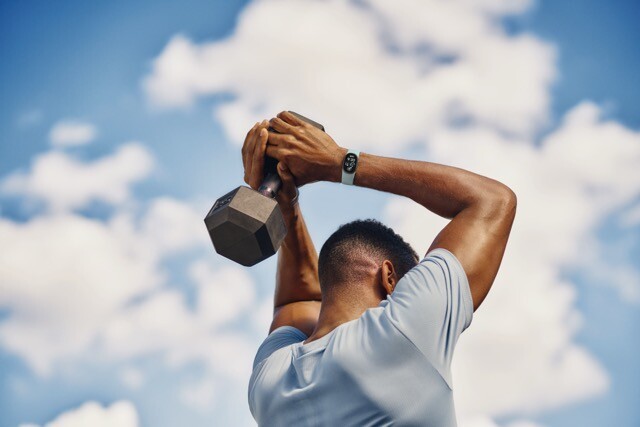
Over the past few weeks, I've had the Fitbit Edge strapped to my wrist to see how it balances day-to-day lifestyle demands, gym sessions, and nightly recovery tracking.
While ealrier this year I shared my fitness tracker recommendation on why I love the Fitbit Air, the Edge brings a completely different proposition: a slim, focused screen backed by a week of endurance and Google's latest AI health companion.
One Paragraph Review: Fitbit Edge
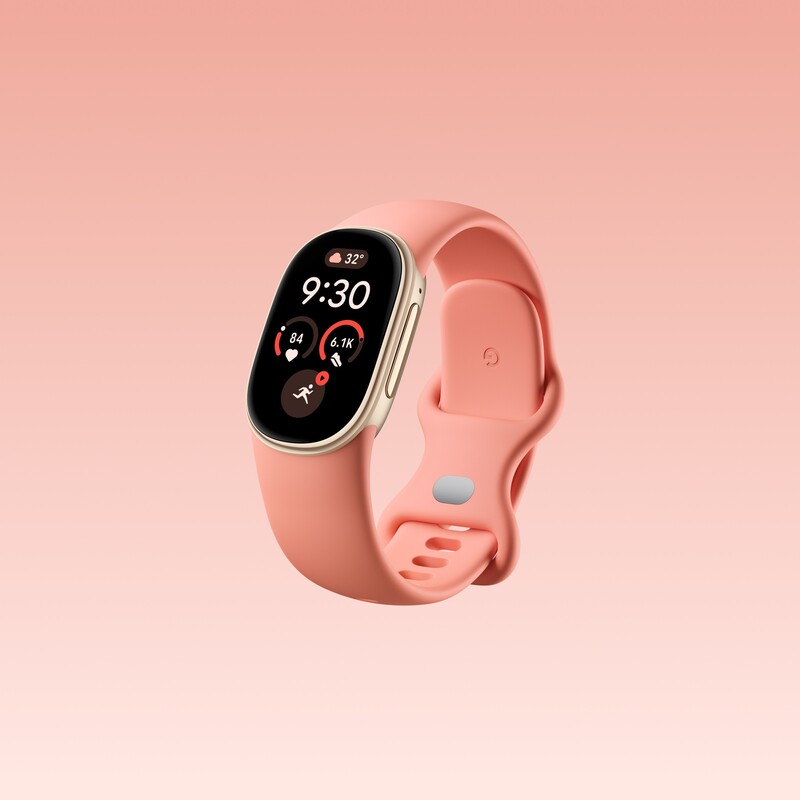
The Fitbit Edge is a welcome return to classic form, blending a lightweight 11.5 mm chassis with a bright hybrid OLED display that gives you 46% more screen space than the Charge 6. Backed by genuinely useful conversational guidance from Google Health Coach and remarkable 7-day battery life, it delivers all the vital health metrics (from on-wrist ECG to automatic workout detection) without overwhelming your wrist. It doesn't quite match the unbeatable sleep comfort of the screenless Fitbit Air, but if glanceable stats and compact style are your priority, it hits the mark.
Pros
- Incredible 7-day battery life with rapid 5-minute top-ups
- Google Health Coach is genuinely helpful for quick fitness and nutrition questions
- Broad variety of band finishes to easily dress up or down
- 3 months of included Google Health Premium
Cons
- Not as pillowy-comfortable to sleep in as the screenless Fitbit Air
- Always-On Display drastically drops battery life to around 2 days
- No built-in microphone or speaker for wrist-based calls
- Quick message replies are limited strictly to Android users
Fitbit Edge
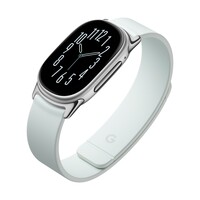
Combining a slim 11.5 mm silhouette, built-in GPS, and comprehensive heart and metabolic health tracking, the Fitbit Edge offers weekend-to-weekend endurance and glanceable health insights.
Design & Display: Classic Tracker Charm With a Crisp Screen
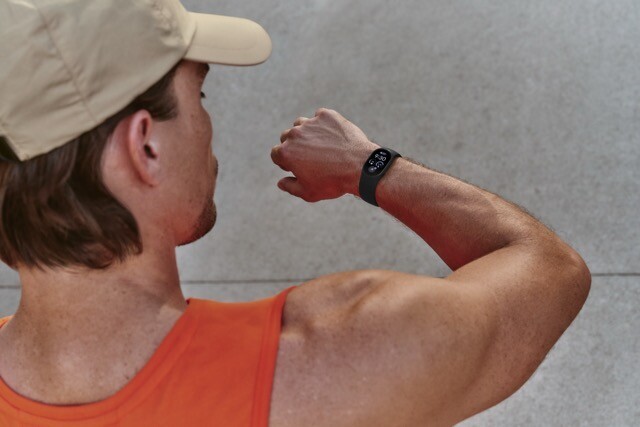
At just 11.5 mm thin and a noticeably light-on-the-wrist casing, the Fitbit Edge feels like a wearable that you forget you're wearing. The hybrid OLED display stands out instantly, giving you a great balance of viewable display real estate without being too big. Protected by Corning Gorilla Glass 3, it is crisp, responsive, and just the right size for quick glanceable metrics without being an eye-drawing distraction.
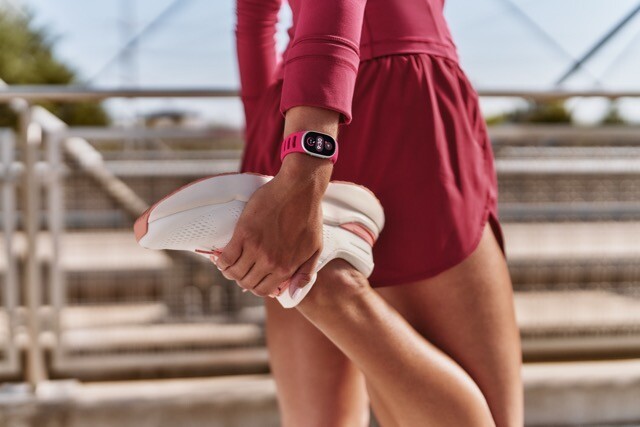
Google also brought back a dedicated, clicky physical side button (thank you!). Navigating through the redesigned swipeable tiles feels fluid, and having a tactile button to pause a workout or jump back to the watch face without fumbling with sweaty fingers is a huge relief.
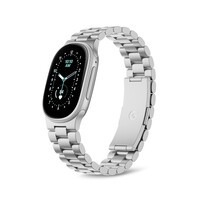
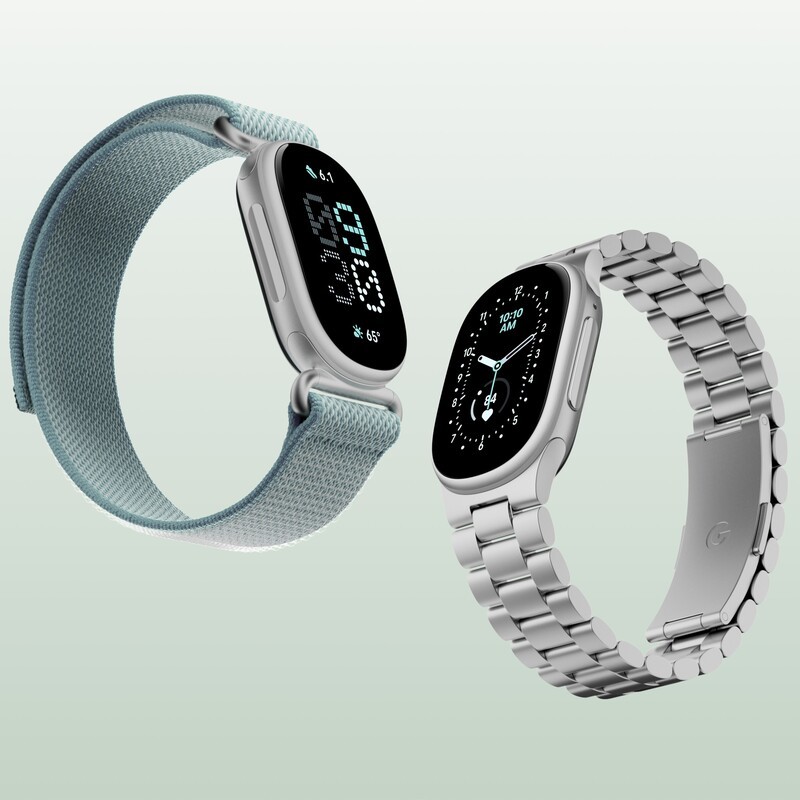
Aesthetically, the "pebble" comes in four colours: Obsidian, Fog, Canyon, and Olive. What impressed me most is the variety of bands. If you don't want to constantly look sporty, you can easily swap out the silicone band for the stretchable Performance Loop ($49.99 CAD), the sleek Magnet band ($64.99 CAD), or the elevated Metal Links band ($179.99 CAD), which turns the tracker into a handsome mini timepiece. Having said that, I only have the sporty performance loop that came with it and never bothered to upgrade even though the Metal Links do look quite tempting.
Fitness & Activity: Smarter Tracking Meets AI Coaching
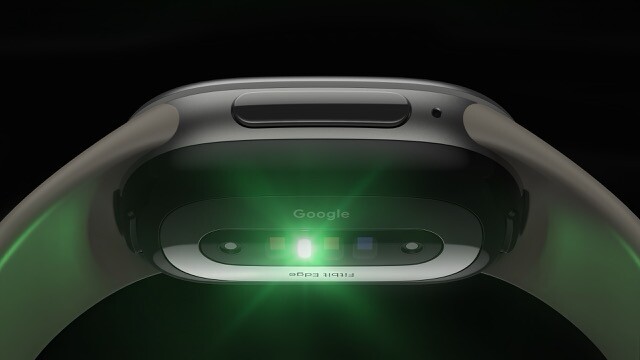
When it comes to workout tracking, the Edge packs over 50 exercise modes, built-in GPS with nanomoulded antenna technology for better accuracy when you're running in an a dense urban area with tall buildings, and a new altimeter for tracking elevation.
Automatic workout recognition has also received a massive boost. Rather than just catching runs or bike rides, the upgraded motion model expands automatic detection to racket sports, strength sessions, and swimming across up to 100 activities. If you forget to hit start, it recognizes the movement and prompts you later to confirm.
Another major convenience is heart rate broadcasting. You can seamlessly stream your live heart rate from your wrist directly to compatible cardio machines, such as gym treadmills or a Peloton bike display, keeping your training zone front and centre. I've quite enjoyed this as I test out the new Peloton Tread+ Vision as I wasn't expected such a seamless setup after having some Fitbit Friction in the past.
Sleep Tracking & Comfort: Where Does Edge Stand?
You can wear this diving and snorkeling. You can wear it to the gym, but how about to bed? One of the perks of the long battery life is to encourage you to wear it often, even while you're sleeping. In fact, the sleep algorithm is now 15% more accurate against clinical standards, breaking down light, deep, and REM sleep alongside a helpful "Restlessness" bar.
However, speaking as someone who tests these devices continuously: the Edge is not quite as comfortable to sleep with as the Fitbit Air. The screenless Fitbit Air remains my unbeatable standard for pure bedtime comfort (though I'll say I've never used a WHOOP band and peopel rave about those for continous wear). If you are extremely sensitive to wearing hardware to bed, the Air still holds the crown.
But if you want the visual confirmation of alarms, timers, and your morning sleep score without reaching for your phone, the Edge is compact enough to do the job well.
Health Guardian & Google Health Coach
The software integration is where the Edge shines brightest, particularly with the included 3 months of Google Health Premium. If you haven't used a Fitbit in a long time, the Gemini-powered Google Health Coach is genuinely useful.
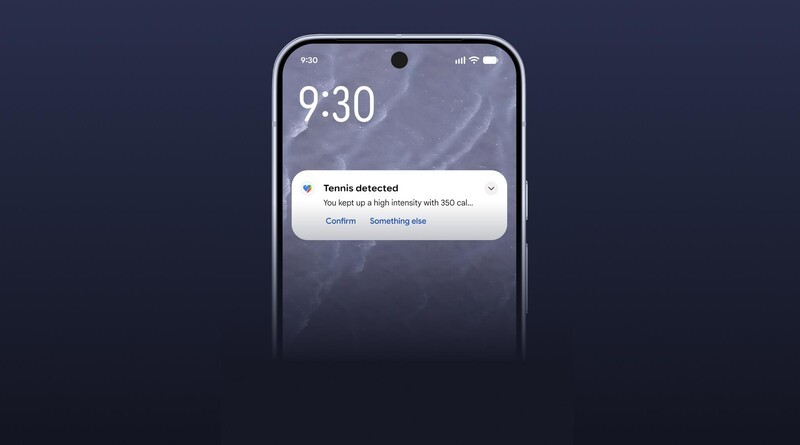
Health Coach lets you ask conversational questions about your workouts or helps you make sense of your daily recovery metrics. I was previously using Gemini just on it's own to answer exercise - related questions, and now it's just a much more seamless experience having this Gemini-powered coach living right in the app. I also like that I can share meal and nutritional info (even by snapping a photo) for quick analysis, giving the coach a more comprehensive picture of my exercise and nutrition story on any given day.
Spec Table: Fitbit Edge
| Feature | Specification |
|---|---|
| Dimensions & Profile | 11.5 mm thin; 45% lighter casing vs. Apple Watch Series 12 |
| Display | Hybrid OLED display (+46% larger screen area vs. Charge 6) |
| Glass | Corning Gorilla Glass 3 |
| Durability | IP68 dust-resistant, 5 ATM water-resistant (up to 50 m) |
| Sensors | Upgraded GPS, Altimeter, Optical Heart Rate, Skin Temp, ECG |
| Battery Life | Up to 7 days (typical use); ~2 days with Always-On Display (AOD) |
| Charging | 0 to 100% in ~90 min; 5-minute quick charge yields up to 1 day |
| Compatibility | Android 11+ and iOS 16.4+ (uses Google Health app) |
| Canadian Pricing | $229.99 CAD (Standard) / $279.99 CAD (Stephen Curry Special Edition) |
The Verdict: Is the Fitbit Edge Worth It?
The Fitbit Edge is a polished, thoughtful entry in Google's revamped wearable portfolio. It bridges the gap between ultra-light bands and bulky smartwatches, giving you glanceable Google Maps directions, silent haptic alarms, and robust vitals tracking with an exceptional week-long battery life.
Geeking Out Shop
Fitbit Edge
The Classic Tracker Reimagined
The Google Fitbit Edge delivers a sharp hybrid OLED display, built-in GPS, 7-day battery life, and actionable AI guidance through Google Health Coach. It is an ideal daily tracker for anyone wanting essential metrics, turn-by-turn directions, and deep health insights in an ultra-slim form factor.
Having thoroughly tested the Fitbit Air, the Pixel Watch 5, and the Fitbit Edge, my personal favourite remains the screenless Fitbit Air for its sheer, forget-it's-there comfort.
However, if you feel you need a screen to check the time, monitor active workout paces, and glimpse notifications without having to charge your tracker every single night, the Fitbit Edge is a compact, reliable, and classic solution that earns its place on your wrist.
Fitbit Edge FAQ
- How long does the battery last on the Fitbit Edge? The Fitbit Edge lasts up to 7 days on a single charge with standard usage. If you enable the Always-On Display (AOD), battery life drops to approximately 2 days. It charges from 0 to 100% in about 90 minutes, and a quick 5-minute charge provides up to a full day of battery.
- Can I take phone calls or speak to Gemini on the Fitbit Edge? No. The Fitbit Edge does not include a microphone or a speaker. While you will receive call and app notifications on your wrist, you cannot take phone calls directly on the tracker. Conversational Gemini features are accessed via the Google Health Coach in the mobile app.
- Can I wear the Fitbit Edge and Fitbit Air together? Yes. The Google Health app supports pairing multiple devices—such as the Edge alongside a Fitbit Air or Pixel Watch. The app automatically reconciles the incoming biometric data into a single, unified health view.
- Does the Fitbit Edge support mobile payments with Google Wallet? No. The Fitbit Edge does not feature NFC hardware for contactless tap-to-pay functionality. If wrist-based mobile payments are a must-have, you will want to look at full smartwatch options like the Pixel Watch 5.
- Can I reply to text messages from the Fitbit Edge? You can send pre-populated quick replies directly from the device if you are paired with an Android smartphone. Due to iOS platform restrictions, quick replies are not supported on iPhone.
Read more

Fitbit Air Review: All the Metrics, None of the Notifications
Google announced their first fitness tracker without a display. The Fitbit Air arrives in the tech world at an interesting time where intentional tech is gaining traction. This is tech that's purpose-built to be great at certain things rather than generally good at everything. The Fitbit Air also arrives at a time when I'm personally staring down a major life milestone: turning 40...
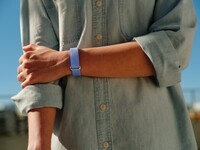
The New Fitbit has no screen, no buttons, and comes to Canada May 26
Fitbit Air is the latest fitness tracker made by Google, but there's some big differences between this one and Fitbits of the past.
OnePlus 15 vs 15R: Flagship or smart buy?
Both the OnePlus 15 and OnePlus 15R are strong smartphones, but they target slightly different buyers. The OnePlus 15 serves as the flagship model, while the 15R offers a more affordable alternative with a few compromises. Ultimately, the right choice depends on your budget and which features matter most to you.
Best Smartwatches & Fitness trackers for Pixel users in 2026
Once you've owned a Google Pixel smartphone it's tough to go back. The beautiful relationship between image processing software and camera hardware alone is enough of a reason to keep you a loyal Pixel user. Then you factor in Pixel Drops (which add great features to your device for years after you've purchased), seven years of security updates (for Pixel 8 and later), and the growing...