
If you grew up in Canada, you know the electric feel of Saturday night hockey. Especially if you're there in person, wearing your team's jersey, and chanting along with the rest of the fans.
Whether you're a Leafs fan in the GTA, cheering for the Oilers in the West, or part of the "Whiteout" in Winnipeg, you know how hockey can bring people together and pull up all the emotions over the course of three 20-minute periods.
We understand the high-stakes tension of a Game 7 and the way a single goal can make an entire city erupt.
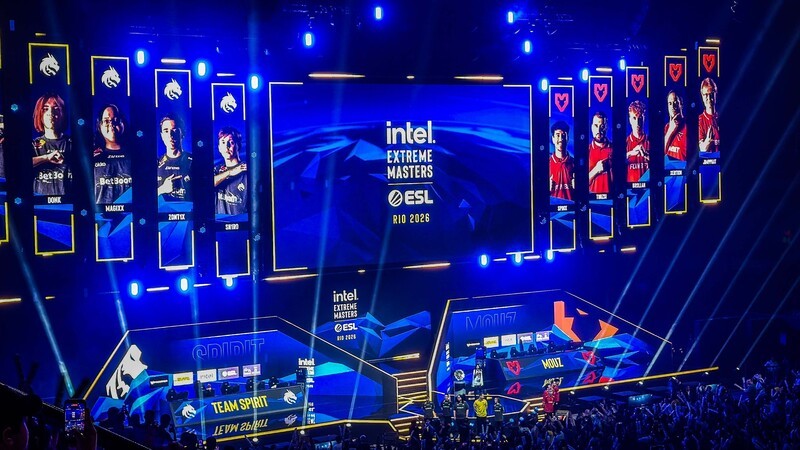
I'm currently on the ground at the Farmasi Arena in Rio de Janeiro for Intel Extreme Masters (IEM) Rio 2026. This is one of the premiere eSports events in the world. It's my first time being at something like this and it's truly hard to understand unless you experience it. However incredible it may sound, in much the same way we celebrate hockey players who dedicate their youth to training and their adulthood to the sport, the same thing is happening in the world of video games!
The Passion: Why Rio is the ultimate eSports hub
When people talk about the "business" of eSports, you'll often see Brazil ranked as the 7th or 10th largest market globally. That's a revenue stat. A measure of dollars spent on jerseys and advertising.
But if you talk about the passion and fandom powering this global circuit of gaming, you'll see Brazil is #3 in fandom.

In Canada, we might not have the largest population, but we own the "passion" metric for hockey. Brazil owns that same metric for gaming. They're not just watching an occasional stream on YouTube. They are here to live and breathe every round and support their team.
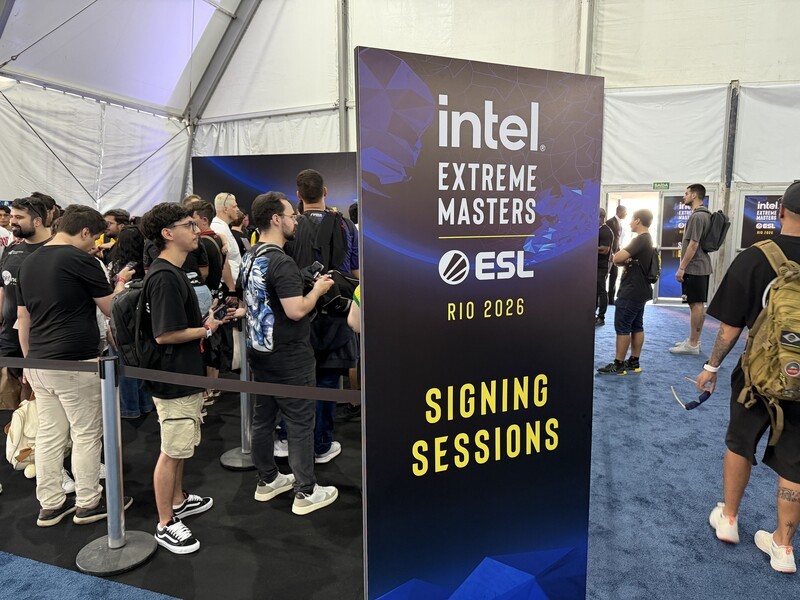
This was very evident seeing fans lined up in the hot sun wearing black player jerseys hours before doors even opened at the venue for the Intel Extreme Masters event.
To the fans in Rio, a perfect headshot in Counter-Strike 2 (CS2) is exactly the same as a puck hitting the back of the net in double overtime.
What is IEM Rio? (The "Brier" of eSports)
For the non-gamers reading this, it's easy to look at a stage full of players in headsets and see a "hobby." This couldn't be further from the truth. This is a Masters-level event in the global ESL Pro Tour.
If you understand the path to the Brier or the Scotties Tournament of Hearts, you understand the path to IEM Rio. Just as teams have to battle through grueling playdowns and provincial qualifiers to earn their spot on the national stage, these eSports teams have to fight through a brutal global circuit.
- The Qualification: Much like the Brier's Wild Card spots or the defending Team Canada champion, teams here earn their spots based on world rankings or by winning intense "Closed Qualifiers." You can't just buy your way into this event in Rio, you have to play your way in.
- The Game: They are playing Counter-Strike 2 (CS2). It's a tactical, five-on-five "search and destroy" game. It requires split-second teamwork, training, and talent to play at this level.
- The Athletes: These aren't kids in a basement. These are professional athletes who live in "team houses," follow strict nutritional plans, and train for 10+ hours a day (yes, actually).
- The Stakes: There is a $1 million prize pool on the line this week (players get $300,000 and the remainder is split between their broader organization and ownership of the team). Beyond the money, winning Rio earns a team a massive amount of points toward the World Championships in Katowice and Cologne, which are the ultimate "Stanley Cups" of the eSports world.
The Tournament Format: High-Stakes Pressure
The tournament is designed to be a gauntlet, testing mental and physical endurance.
- The Group Stage: 16 teams were split into two groups of eight. It followed a GSL-style Double Elimination format. Think of this like a tournament with a "safety net" you have to lose twice to be sent home.
- The Playoffs: Now that we've hit the main stage at the Farmasi Arena, the safety net is gone. It switches to Single-Elimination.
- The Matches: Every match in the bracket is a Best of Three (Bo3). The Grand Final is a Best of Five (Bo5) marathon that can last over six hours of high-concentration play.
The Sights and Sounds: The Rio Roar
In a curling rink, there is often a deep, respectful quiet while the skip settles in for a final draw to the button. In Rio, that "quiet" part doesn't exist. It's definitely more like a Hockey Night In Canada grudge match, when hockey fans are screaming so loud that after their favourite player scores you can barely hear the goal horn.
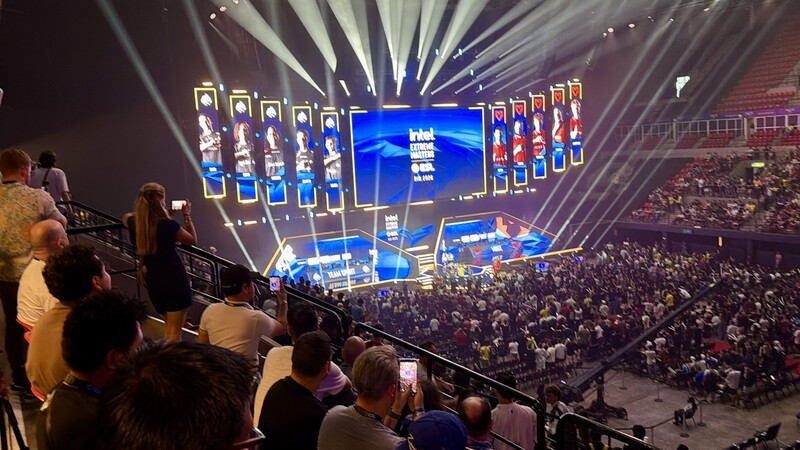
Walking through the concourse, the energy is visceral. There are fans with painted faces, chants, thundersticks, flags, and cell phone screens held aloft with clever chirping to hopefully catch the eye of the camera person and be featured on the big screen.
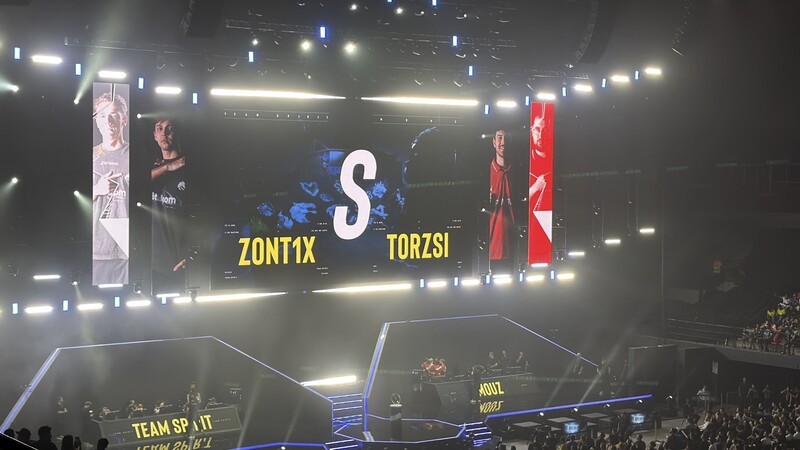
During game play, the stage is lit up with player avatars and stats. Instant replays highlight key moments. Cameras trained on the competitors show their intense focus overlaid atop the massive display featuring game play footage. There's lights, there's smoke, there's pyro. It's as big a production as any sport could hope for.
The Bottom Line: eSports events are sports events. Period.
Just like trying to make it in the NHL, trying to make it as a professional eSports gamer is a longshot. But this was a career that didn't exist just over two decades ago. Now events like Intel Extreme Masters and other global affairs give gamers a chance to hone their skills as part of a team environment and cash in on their skills in a way that was never possible before.
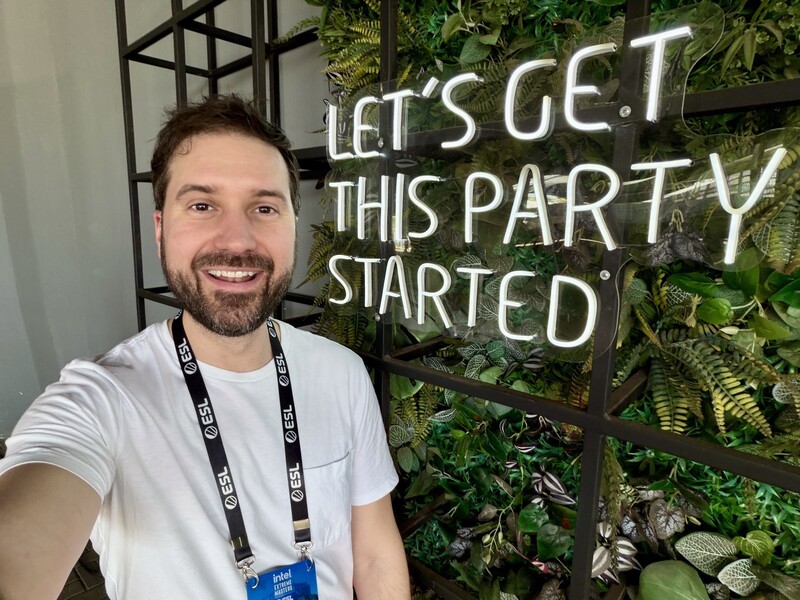
Here in Rio specifically you can tell there's something special about gaming. It's a career path, a massive industry, and a source of national pride.
As I watch the fans here, I'm reminded that sports have always been about bringing people together in a shared experience. The medium might be changing from ice and stones to silicon and software, but the heart of the competition remains the same. The next generation of stars isn't exclusively wearing skates or sliding stones. They're wearing headsets, and they're sliding into stages around the globe, cheered on by tens of thousands of fans. ```
Read more

MSI Claw 8 EX AI+ Review: The Ultimate Handheld?
It's worth giving MSI handhelds another chance, mostly thanks to the premium performance and great battery life unlocked with the new Intel Arc G3 Extreme processor. After a month of testing, here's my thoughts on the MSI Claw.
Top 10 Gaming Finds at CES 2026
Whether you're gaming on mobile, consoles, or your PC, here are our picks for the best gaming gadgets at CES 2026!

Bluey's Happy Snaps Is Pre-Schooler Friendly
Bluey's Happy Snaps is a great family-friendly title for any fan of the TV show. But it's worth paying the extra for the Deluxe version for one key feature.

The HyperX Origins 2 1800 Skips the Gimmicks for Pure Gaming Speed
The HyperX Origins 2 1800 pairs an ultra-fast 8,000Hz polling rate with a space-saving compact layout and hot-swappable switches, prioritizing pure gaming performance over flashy gimmicks.